Wondering whether Providence or Cranston will feel more like home? If you are trying to balance walkability, commute patterns, housing style, and everyday convenience, this choice can feel closer than it looks on a map. The good news is that the biggest difference is usually not commute time, but lifestyle, and understanding that can help you move forward with confidence. Let’s dive in.
Providence vs. Cranston at a glance
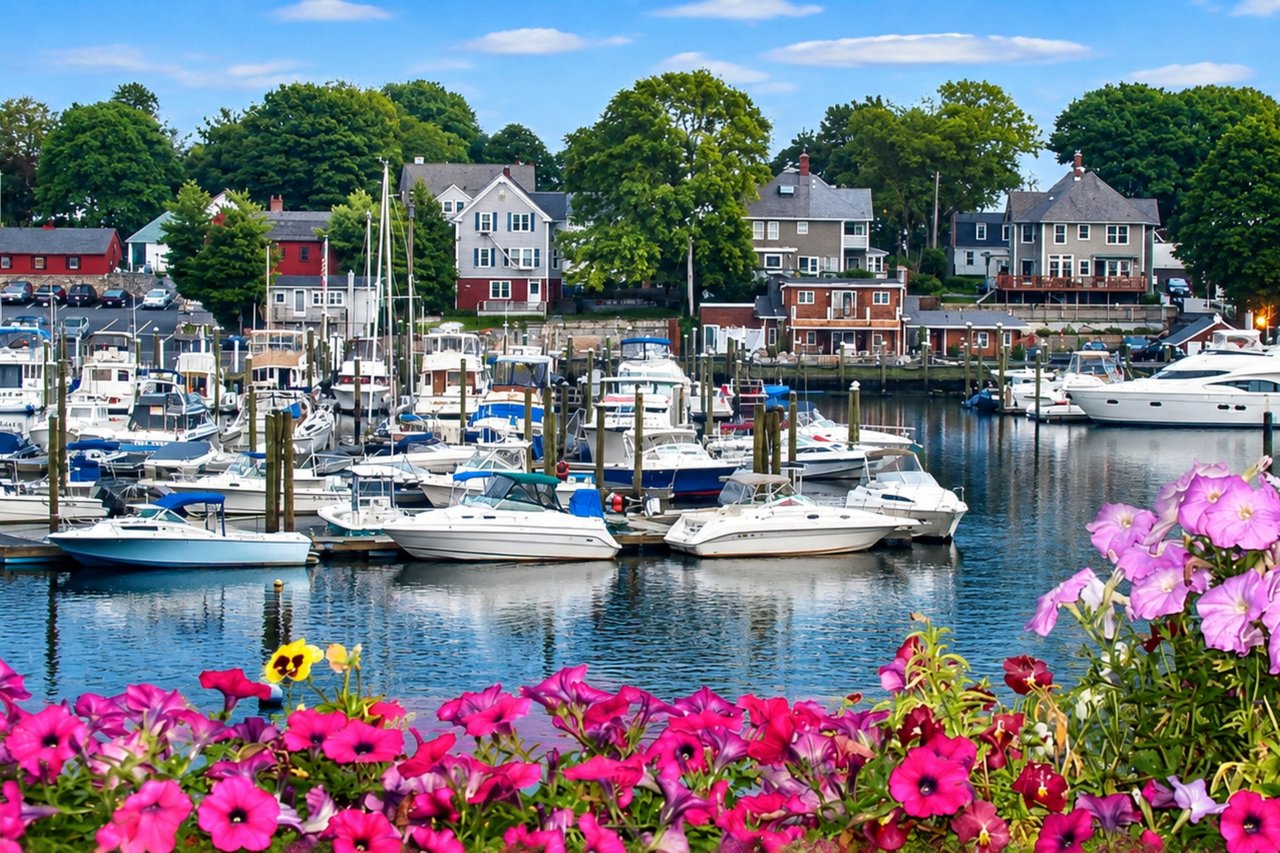
If you are focused on 02903 and nearby Providence core areas, you are looking at a more urban setup. Providence planning documents treat downtown, corridors, waterfront, and mixed-use areas as places where residential, retail, office, civic, institutional, and entertainment uses work together.
Cranston presents a different profile. The city describes itself as a suburban community, with rural western areas and an eastern shoreline, which helps explain why many buyers experience it as more spread out and convenience-driven.
The density gap helps make that difference real. Providence has about 10,373.5 people per square mile, while Cranston has about 2,925.9, so even before you compare specific streets or housing stock, the overall feel is notably different.
How the daily feel changes
Providence offers a city-neighborhood rhythm
In Providence, especially around 02903, daily life often centers on mixed-use blocks and distinct neighborhood patterns. City planning and public service districts separate areas like Downtown and Federal Hill/West End, which reinforces a city structure built around neighborhoods rather than a suburban layout.
For you, that can mean more activity close at hand. Shops, offices, civic buildings, restaurants, and residential spaces are more likely to sit near one another, which can make errands and outings feel more integrated into your day.
Cranston leans more suburban
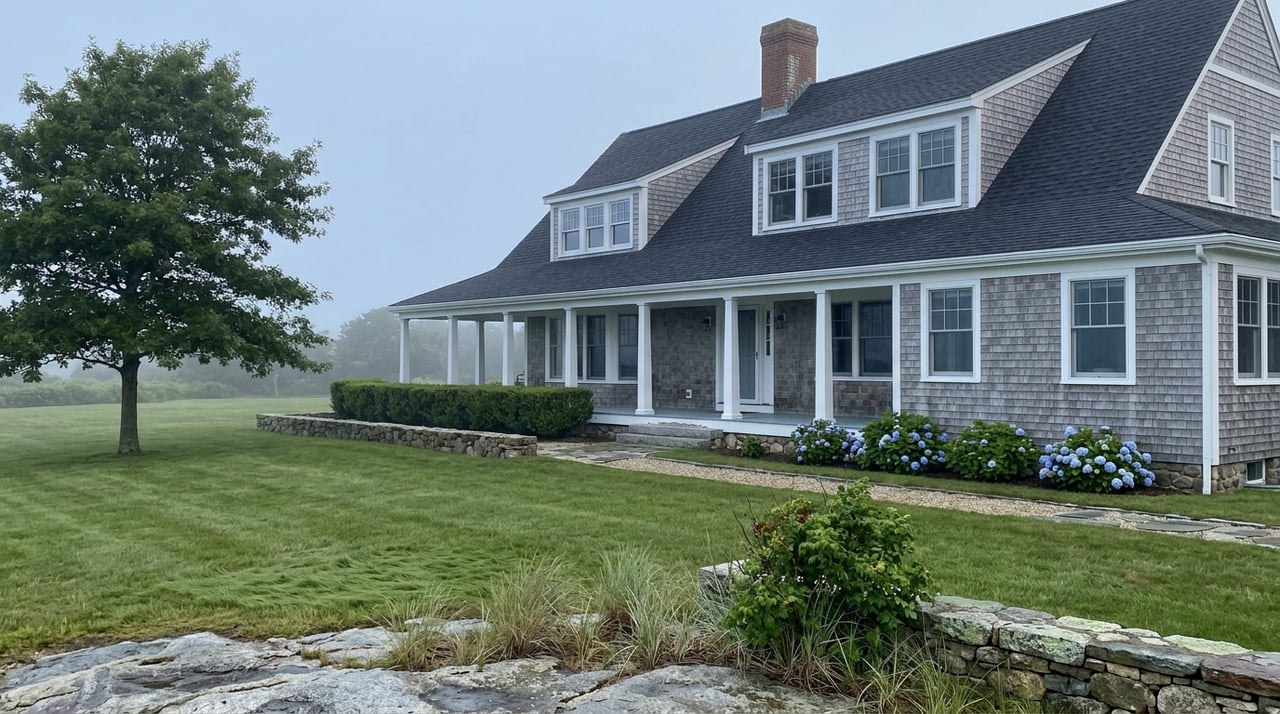
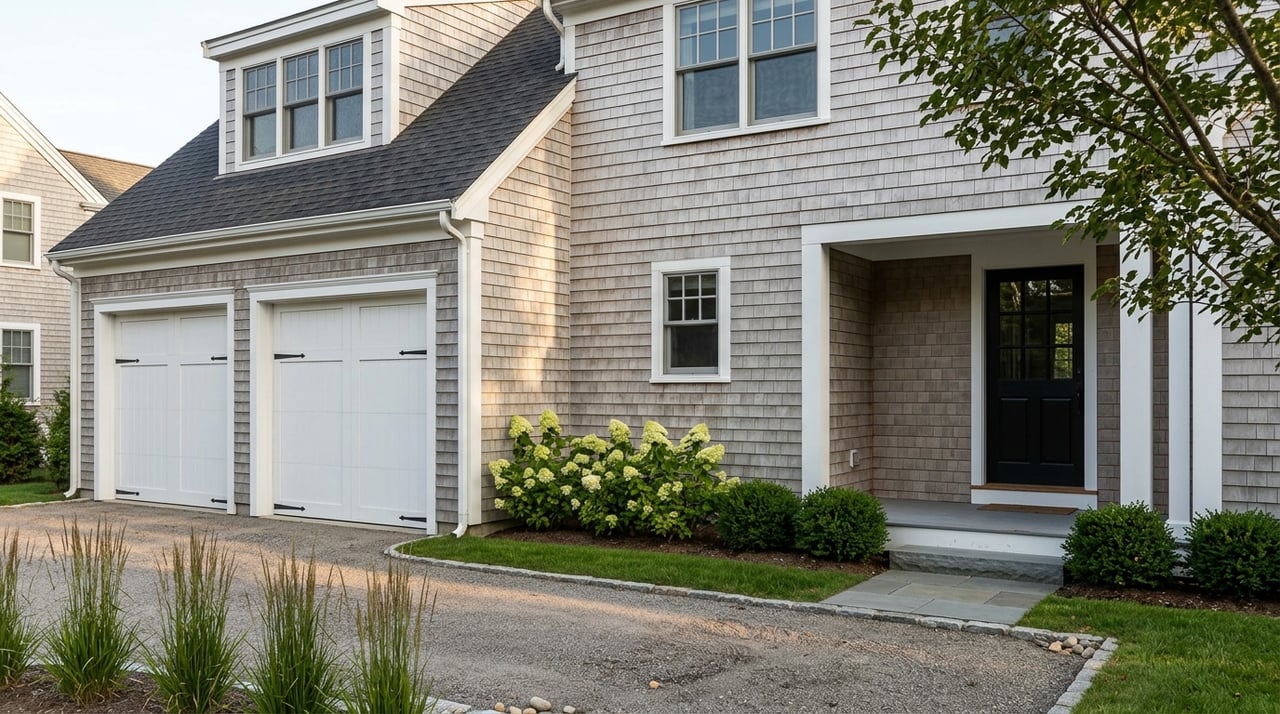
Cranston tends to appeal to buyers who want a more traditional suburban setup. Instead of a downtown-centered urban pattern, the city is more commonly associated with residential areas connected by major roads, shopping destinations, and recreation assets.
That does not mean every part of Cranston feels the same. It does mean the city’s overall structure is generally better aligned with buyers looking for a suburban profile and a more car-oriented routine.
Commute times are close
One of the most surprising facts for many buyers is how similar the average commute times are. Providence averages about 25.0 minutes, while Cranston averages about 24.3 minutes.
Because those numbers are so close, your decision usually comes down to how you want to commute rather than whether you will save a lot of time. In other words, the route and transportation style often matter more than the raw average.
Providence has stronger transit access
Providence includes transit-rich corridors such as the R-Line and the Downtown Transit Connector. If you value having more public transit options or want to be in an area where walking and transit can play a bigger role in your week, Providence may line up better with that goal.
This is especially relevant if you want flexibility. Even if you still drive, having transit options nearby can add convenience and shape how connected a neighborhood feels.
Cranston is more highway-oriented
Cranston is crossed by I-95, I-295, Route 10, and Route 12, which makes it a practical fit for buyers who expect to drive most places. If your routine depends on highway access and a more car-based pattern, Cranston may feel simpler day to day.
That said, current road conditions can change the picture in either location. RIDOT reports active lane shifts and bridge work on I-95 and Route 10 through the Providence and Cranston area, so actual drive times can be more variable than the long-term averages suggest.
Housing options feel different
Providence offers more variety
Providence’s comprehensive plan distinguishes between low-density detached single-family areas, medium-density one- to three-family areas, and high-density multifamily areas. Mixed-use areas also include downtown, commercial corridors, the waterfront, and former mill districts.
For you as a buyer, that means Providence can offer a broader range of housing types. Depending on the specific area, you may see historic urban blocks, converted buildings, denser multifamily options, or more traditional one- to three-family homes.
Cranston trends more traditional
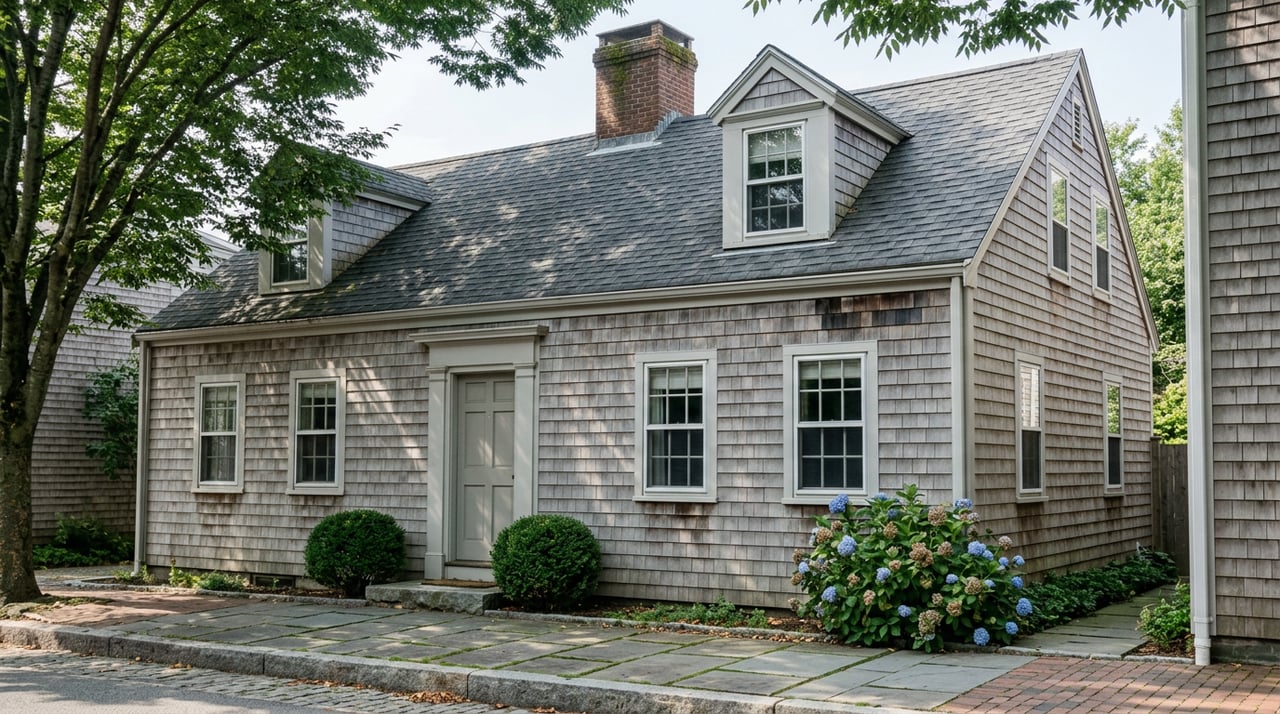
Cranston’s city materials point to a more suburban housing pattern. Its community development rehab program is aimed at single-family to three-family owner-occupied buildings, which supports the idea that the market leans more toward detached homes and smaller multifamily properties.
Of course, housing mix still varies by neighborhood. Still, if you are picturing a more classic suburban home search, Cranston may feel more consistent with that vision.
Property taxes matter here
If you are comparing monthly ownership costs, tax structure deserves a close look. For FY2025-2026, Providence lists an owner-occupied single-family residential tax rate of $8.40 per $1,000, while Cranston lists $13.88 per $1,000 for 1 to 5 unit residential dwellings.
That can make Providence look especially attractive for eligible owner-occupants. But there is an important catch: Providence’s owner-occupied rate requires filing with the city assessor by March 15.
There is also a meaningful difference for non-owner-occupied property in Providence. The non-owner-occupied residential rate is much higher at $14.60, so buyers should make sure they understand which classification applies to their situation.
Schools and everyday services
Providence provides more in-city choice
Providence Public School District serves about 19,567 students across 37 schools, including 19 elementary schools, 7 middle schools, and 10 high schools. The district is a choice district, and most schools are open enrollment.
Providence also offers 24 career and technical education programs in 12 industry clusters. For buyers who want more school-choice variety within the city, that broader menu may be an important part of the decision.
Cranston keeps a traditional city structure
Cranston Public Schools highlights career and technical education programs at its high schools. City statistics list 17 elementary schools and 4 middle schools, while the city also emphasizes recreation facilities and established shopping destinations.
For many buyers, that translates into a more familiar suburban pattern. You may find that the combination of residential areas, shopping centers, and recreation spaces aligns well with the lifestyle you want.
Walkability vs. convenience
This is often where the decision becomes clearer. Providence planning emphasizes walkable mixed-use districts that keep shops and services close by, which supports a denser and more pedestrian-oriented daily experience.
Cranston highlights places such as Garden City Center and Chapel View along with recreation assets. That tends to support a convenience-driven suburban routine where driving is often part of everyday life.
Neither is automatically better. The right choice depends on whether you want your day to feel more urban and connected on foot or more suburban and centered around easy driving and established shopping hubs.
Which one fits your goals?
If your top priorities are walkability, transit access, mixed-use blocks, and a wider range of housing types, Providence core neighborhoods may be the stronger match. This can be especially true if you are drawn to a city setting where residential life sits close to civic, retail, and entertainment uses.
If your priorities lean toward a suburban profile, highway access, and a more traditional school-and-shopping structure, Cranston may be the better fit. That often appeals to buyers who want a more spread-out feel and a routine built around driving rather than transit.
A smart way to compare Providence and Cranston
Before you choose, it helps to compare the two places through your actual weekly routine. Think about how often you drive, whether transit matters, what kind of housing style you prefer, and how much value you place on mixed-use walkability versus suburban convenience.
A simple checklist can help:
- Do you want a city-neighborhood feel or a suburban layout?
- Would you use transit, or do you expect to drive almost everywhere?
- Are you open to multifamily or mixed-use settings, or do you prefer a more traditional home search?
- Have you compared owner-occupied tax treatment carefully?
- Do you want more school-choice variety within the city, or a more traditional municipal structure?
When buyers slow down and answer those questions honestly, the right fit often becomes much easier to spot.
Choosing between Providence and Cranston is less about a dramatic commute difference and more about the kind of life you want to build day to day. If you want clear, local guidance as you compare neighborhoods, housing options, and tax considerations, the team at Steven Miller Group is here to help you navigate Rhode Island with confidence.
FAQs
Is Providence or Cranston better for walkability?
- Providence generally offers a more walkable, mixed-use environment, especially in core areas like 02903, while Cranston tends to be more car-oriented.
Are commute times shorter in Cranston than Providence?
- Average commute times are very close, with Providence at about 25.0 minutes and Cranston at about 24.3 minutes, so lifestyle and route usually matter more than time saved.
Does Providence or Cranston have lower property taxes for owner-occupants?
- For FY2025-2026, Providence has a lower eligible owner-occupied single-family rate at $8.40 per $1,000 versus Cranston’s $13.88 per $1,000 for 1 to 5 unit residential dwellings, but Providence requires filing with the city assessor by March 15.
What kind of homes can you find in Providence compared with Cranston?
- Providence generally offers a wider mix that can include detached homes, one- to three-family properties, multifamily buildings, and mixed-use areas, while Cranston tends to reflect a more traditional suburban mix of single-family and smaller multifamily homes.
How do Providence and Cranston differ for schools and daily amenities?
- Providence offers a choice district with broad in-city school variety and walkable mixed-use amenities, while Cranston follows a more traditional city structure with municipal schools, shopping destinations, and recreation facilities.