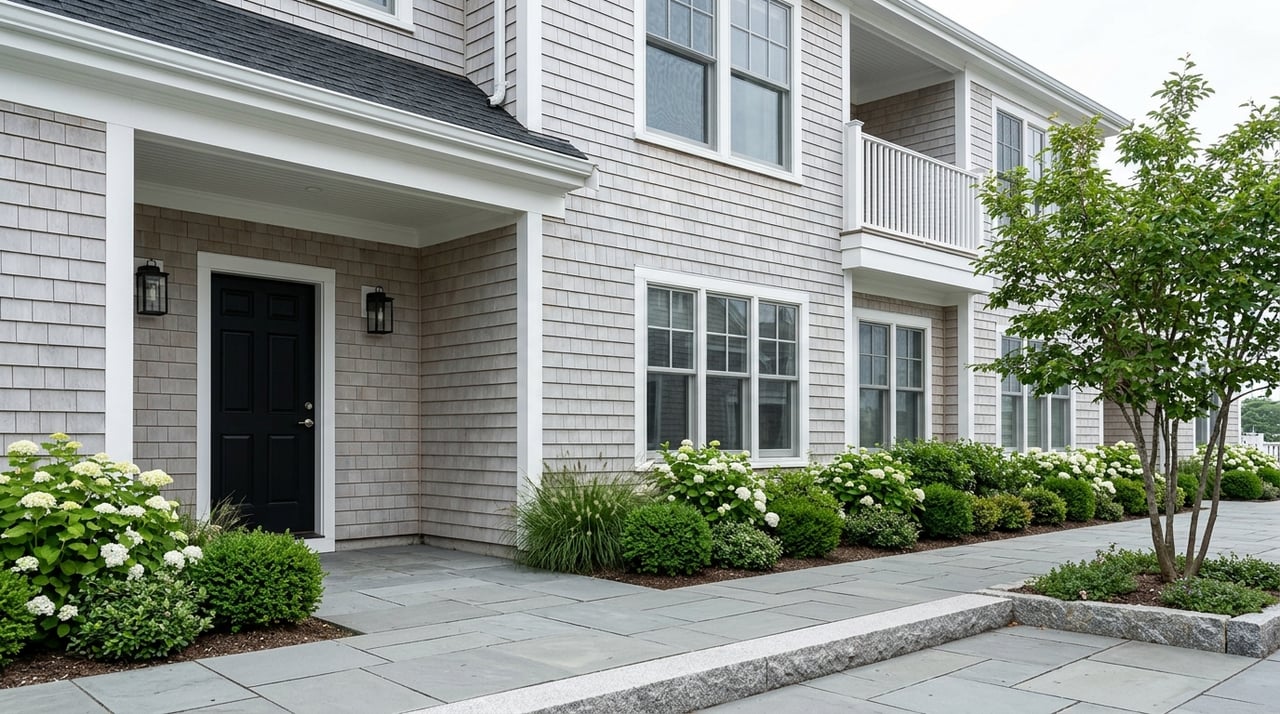
If you are dreaming about a second home in Newport, the first big question may not be where to buy, but what to buy. A condo and a coastal cottage can both deliver the Newport lifestyle, yet they often fit very different priorities around maintenance, privacy, amenities, and rental plans. This guide will help you compare both options in Newport’s 02840 market so you can choose the property type that matches how you want to live, use, and manage your second home. Let’s dive in.
Why this choice matters in Newport
Newport has a meaningful second-home and seasonal-housing presence. City planning materials note that unoccupied housing made up 22% of all units in 2022, which helps explain why second-home buyers are an important part of the local market.
You also have real choice here. Current 02840 snapshots show 35 single-family homes and 17 condos or apartments for sale, so both categories are actively represented. That gives you enough inventory to compare lifestyle, cost structure, and practical use instead of settling for whatever happens to be available.
Condo vs. cottage at a glance
In simple terms, a condo often suits buyers who want a lower-touch property with shared amenities and a more structured ownership experience. A coastal cottage often suits buyers who want more privacy, outdoor space, and direct control over the property.
Neither option is automatically better. In Newport, the stronger choice usually comes down to how often you will use the home, how much upkeep you want to handle, and whether you hope to rent it when you are away.
What a Newport condo can offer
Lower-maintenance ownership
Many second-home buyers start with condos because they are easier to lock and leave. In current Newport listings, monthly HOA dues often cover a meaningful share of routine upkeep, which can reduce the amount of hands-on maintenance you need to manage from a distance.
That structure can be especially appealing if your second home is meant to feel simple and flexible. Instead of coordinating snow removal, grounds care, or some utilities yourself, those items may be handled through the association depending on the building.
Fees that may buy convenience
Sample condo listings in Newport show HOA dues ranging from about $223 to $669 per month. What those fees cover varies by property, but some listings include services such as heat, hot water, grounds maintenance, parking, sewer, snow removal, trash, and water.
That does not mean every condo is inexpensive to own. It does mean your monthly costs may be more predictable, especially if you value convenience and want fewer maintenance surprises.
Amenities that stand out
Newport condos can offer amenities that are hard to replicate in a single-family home. Current examples mention features like a pool, restaurant, tennis courts, trails, private beachfront access, private dock access, kayak storage, and even launch-style access to downtown.
For some buyers, that package is the main attraction. If your ideal second home includes easy access to the water and a more turnkey lifestyle, a condo can check those boxes in a very practical way.
Historic character in a shared format
Not every Newport condo lives in a modern building. Some of the local inventory comes from historic conversions, including residences created from older mansion properties.
That gives you an interesting middle ground. You may be able to enjoy historic architecture and a Newport address without taking on the full maintenance load that often comes with a standalone older home.
The tradeoff: less control
The biggest compromise with a condo is usually autonomy. Association rules can shape how you use the property, and at least one current Newport listing explicitly notes that pets are not allowed.
That is why it is important to look beyond the unit itself. Before you buy, you will want to understand the HOA fee, what it covers, and any rules that affect guests, pets, parking, or property use.
What a Newport coastal cottage can offer
More privacy and space
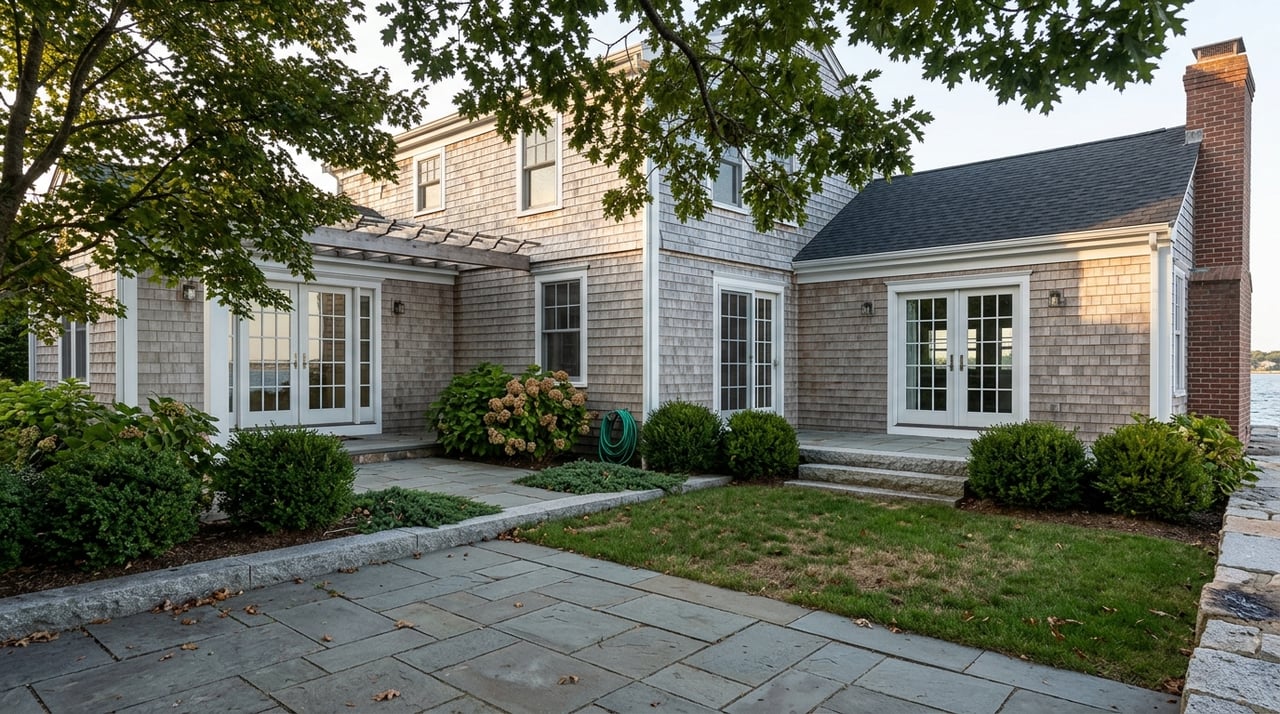
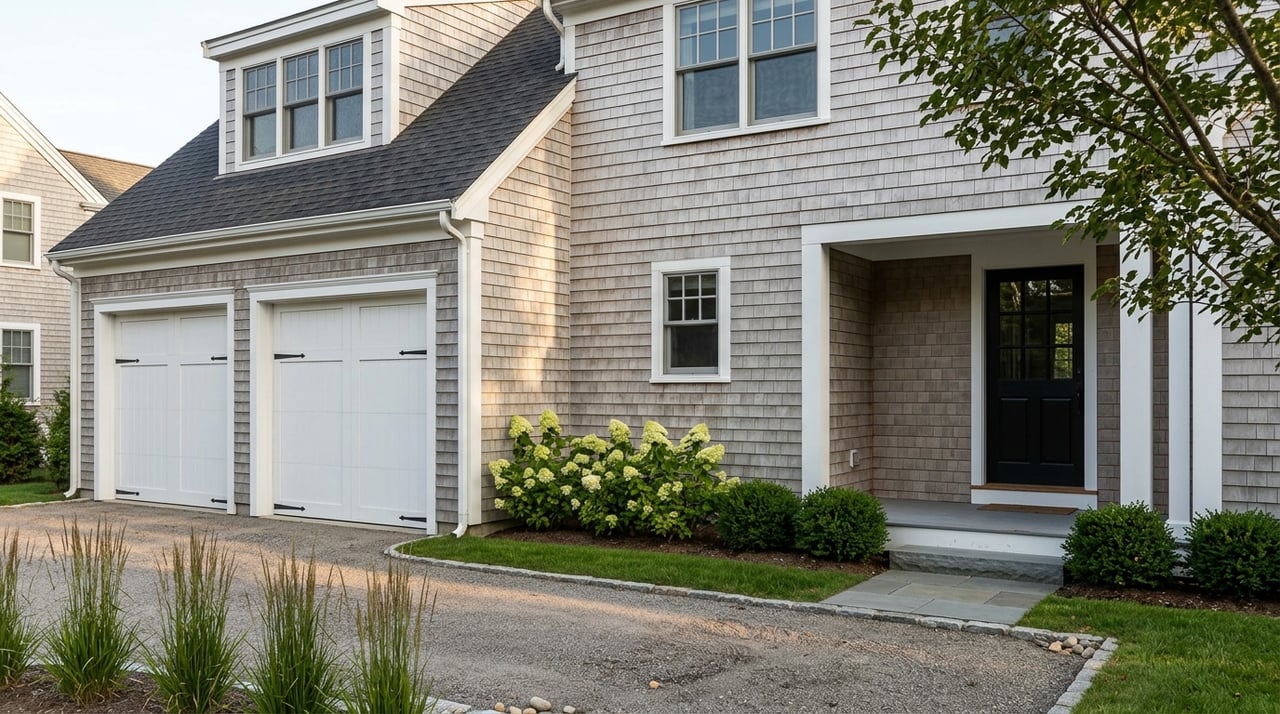
A coastal cottage in Newport is typically a single-family home on its own lot. Current listing examples highlight features such as fenced yards, pergolas, garages, and outdoor space that feel more private and self-contained than a shared-building setting.
If your second-home vision includes quiet mornings outside, room for outdoor dining, or a stronger sense of separation from neighbors, a cottage may feel like the better fit. That extra privacy is one of the clearest reasons buyers lean toward single-family properties.
More control over the property
With a cottage, you usually have greater freedom over how the property looks and functions because the home is tied to its own lot and exterior features. That can matter if you care about landscaping, outdoor storage, or simply having your own entrance, yard, and garage.
For many buyers, that control creates a more personal second-home experience. The house feels like its own destination, not just a residence within a larger building.
Strong walkability is still possible
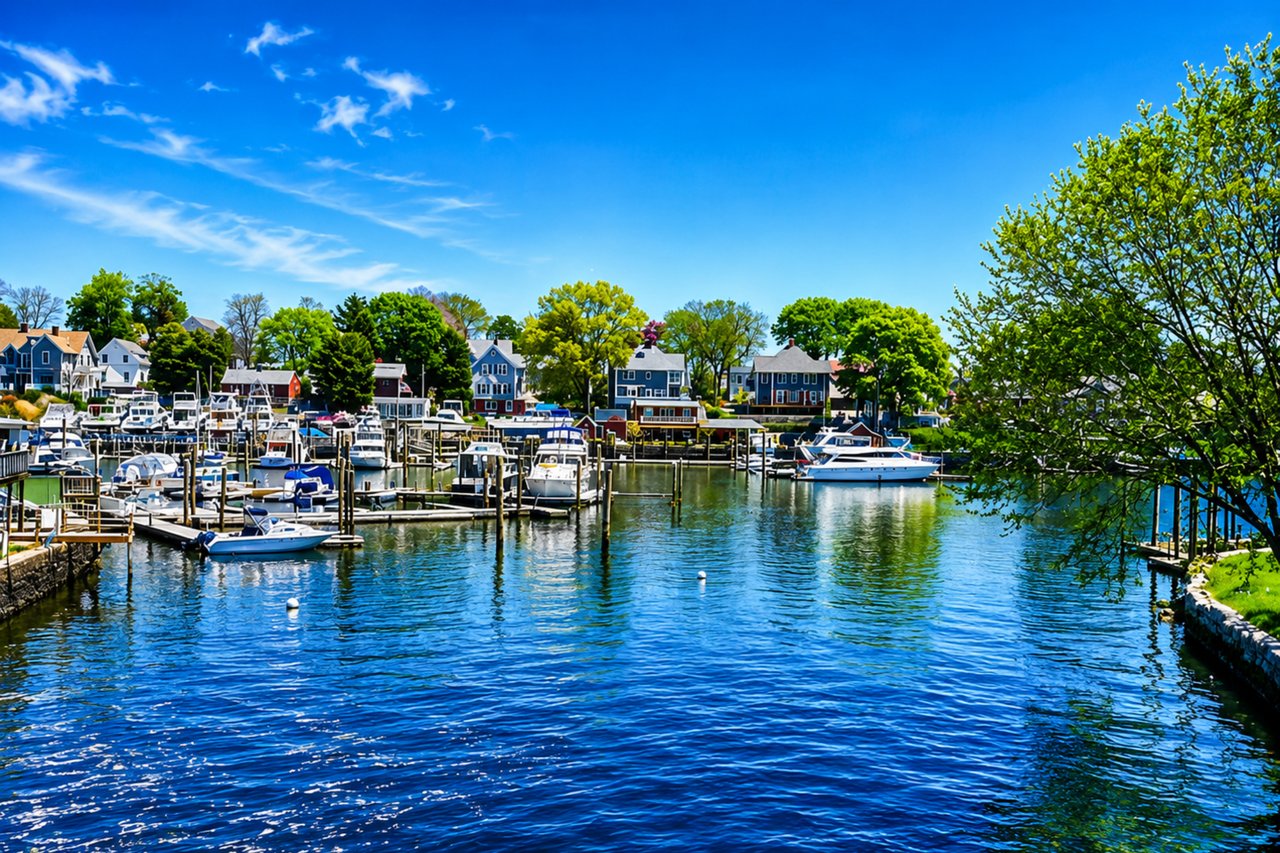
A cottage does not mean giving up convenience. Current Newport examples show single-family homes that are described as being a short walk or a few minutes from the beach, town, harbor, parks, or waterfront areas.
That is an important local point. In Newport, walkability depends heavily on the address, not just the property type, so both condos and cottages can support a close-to-everything lifestyle.
The tradeoff: more upkeep
The practical downside of a cottage is that more responsibility falls on you as the owner. Based on current listing patterns, single-family homes tend to come with more direct responsibility for landscaping, repairs, and seasonal upkeep.
For some buyers, that is completely worth it. For others, especially those who live out of state or use the property only part of the year, that added management can become a burden.
Beach access depends on the address
It is easy to assume that one property type has the advantage on beach access, but Newport does not work that way. The city identifies Easton’s Beach as Newport’s largest public beach, and local planning materials note that, aside from one small area, Newport beaches are public or semi-public rather than uniformly private.
That means the better question is not condo or cottage, but which address. Current listings show strong beach and waterfront access from both types, including condos with waterfront amenities and cottages that are just minutes from the beach, harbor, or downtown.
Rental plans require careful local review
Why rental rules matter so much
If you plan to offset costs with rental income, this is where many second-home decisions become more complex. In Newport, rental flexibility is not something you should assume based on property type alone.
The city defines a short-term rental as a stay of less than 30 days. Newport’s zoning and registration framework focuses on the exact use of the property, the zoning district, and whether the home is owner-occupied.
What Newport allows in residential zones
Newport’s zoning code is organized around use, not simply whether a property is a condo or a cottage. In the R-40 residential district, single-family dwellings are permitted by right, while multifamily dwellings require a special use permit.
The city also allows, as a home occupation in residential zones, the rental of two guest bedrooms or fewer to no more than four people in an owner-occupied dwelling unit while the owner is present. The city says home occupations must be registered with the zoning administrator.
Longer seasonal rentals have registration rules too
For non-owner-occupied residential dwellings rented for 30 days to 9 months, Newport requires rental-dwelling registration. The city’s 2026 form shows a $75 per-unit registration fee, a $100 inspection fee, and annual renewal.
For buyers, the takeaway is simple. If rental income is part of your plan, you need to evaluate the exact address, zoning district, occupancy setup, and registration path before you rely on that income in your budget.
How to choose the right fit
Choose a condo if you want simplicity
A condo may be the better match if you want a second home that feels easy to own from afar. Shared maintenance, bundled services, and amenity access can make condo ownership feel more predictable and less hands-on.
This is often the right path for buyers who want a comfortable Newport base without taking on the full workload of a standalone property. If convenience is high on your list, a condo deserves a close look.
Choose a cottage if you want privacy
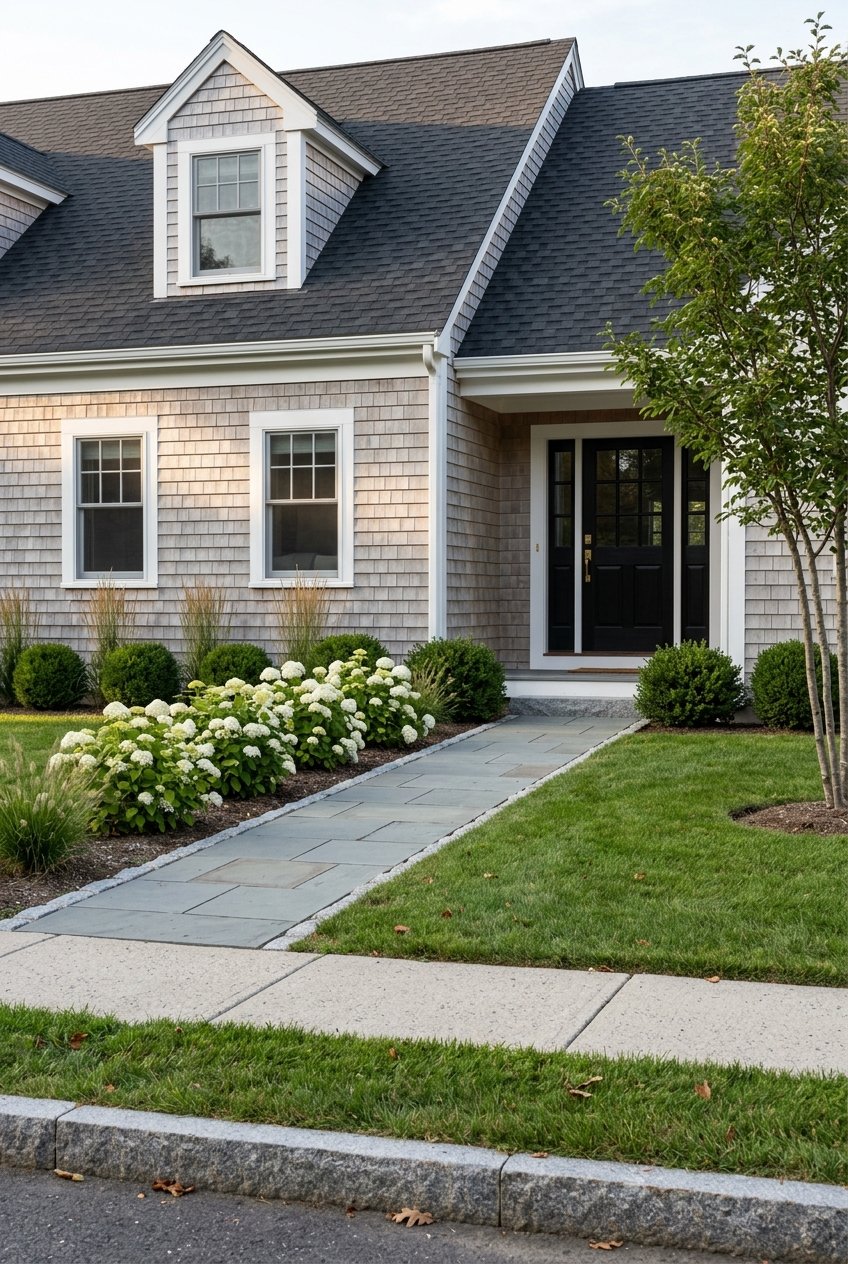
A cottage may be the better choice if you picture your second home as a more personal retreat. Private outdoor space, a standalone lot, and more control over the property can create a very different ownership experience.
If you value privacy, yard space, or the character of a single-family home, the cottage lifestyle may feel more rewarding. You just want to go in with a clear plan for maintenance and seasonal care.
Let your real use case lead
The best Newport second home is the one that supports how you will actually use it. Think about how often you will visit, whether you want amenities or independence, and how important rental potential really is to your decision.
Once those priorities are clear, the condo-versus-cottage question usually becomes much easier to answer. In a market like Newport, the right property is rarely just about style. It is about fit.
Whether you are comparing a waterfront condo or a classic Newport cottage, the details matter. The Steven Miller Group can help you evaluate the lifestyle, ownership, and local market factors that shape a smart second-home purchase in Newport.
FAQs
What is the main difference between a Newport condo and a Newport coastal cottage?
- A Newport condo usually offers a lower-maintenance ownership experience with shared amenities and HOA fees, while a Newport coastal cottage usually offers more privacy, outdoor space, and direct owner control.
How much are condo fees for second homes in Newport, RI?
- Sample current Newport condo listings show monthly HOA dues ranging from about $223 to $669, with some fees covering items like maintenance, utilities, parking, snow removal, and amenities.
Can you rent out a second home in Newport, RI?
- You may be able to rent a second home in Newport, but the answer depends on the exact zoning district, occupancy status, and city registration requirements for that specific property.
Are Newport cottages always closer to the beach than condos?
- No. In Newport, beach and waterfront access depend more on the address than the property type, and current listings show both condos and cottages with strong walkability to beaches, downtown, and the harbor.
Which second-home type in Newport feels more private?
- In most cases, a coastal cottage feels more private because it is typically a single-family home on its own lot with its own yard and exterior space.
Is a condo or cottage better for a lock-and-leave second home in Newport?
- A condo is often better for lock-and-leave use because shared services and HOA-covered maintenance can reduce the amount of hands-on work needed while you are away.